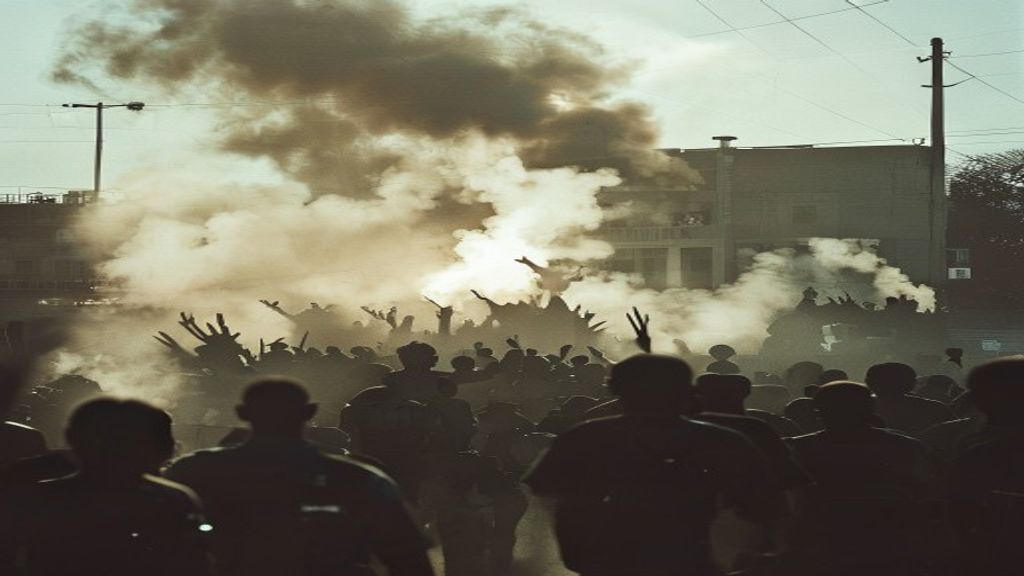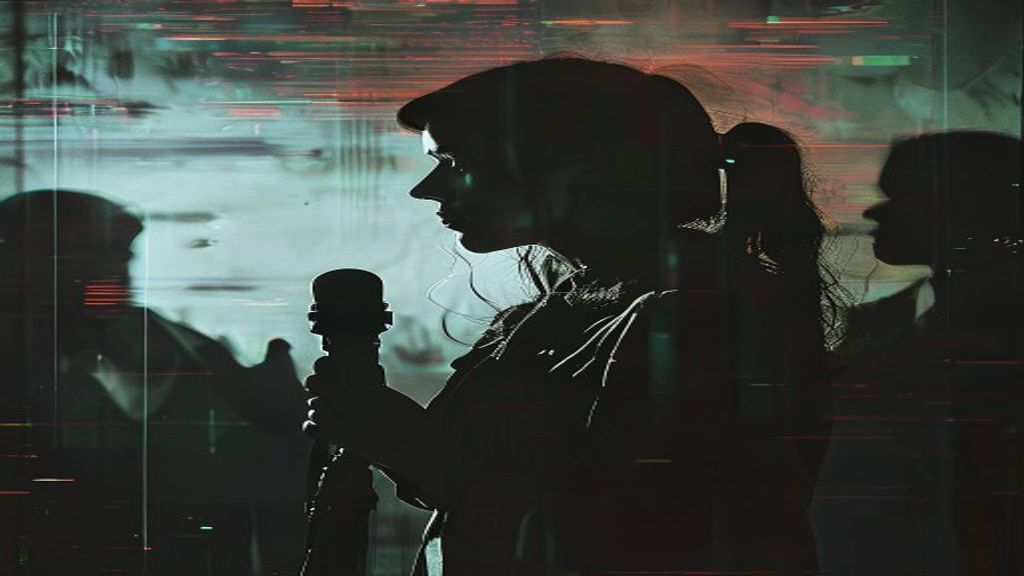
Digital threats against female journalists often lead to physical harm. Online violence and trolling have triggered offline attacks, harassment, and abuse[1]. This escalation moves far beyond the screen.
Some reporters have paid with their lives. The loss of life[1] follows a pattern of intense online harassment. These deaths prove the danger is real.
Gender-based harassment shapes the entire speech environment. It creates barriers to the free expression of ideas[3]. This harassment changes how news is covered.
Silence follows the attacks.
When journalists face constant threats, they may stop reporting on sensitive topics. This creates a chilling effect on free expression. The fear of retaliation limits what the public can know.
The manosphere is moving misogyny to the mainstream
Digital spaces are changing how hate spreads. The online manosphere is moving misogyny to the mainstream[2], creating a new engine for targeted attacks. This shift connects isolated trolls to a much larger, organized audience.
This movement thrives alongside a decline in democracy[2]. As democratic institutions weaken, harmful content spreads more easily across social media. The result is a growing backlash against feminism that targets women in the public eye.
Social media platforms are often unable to stop the tide. Platforms often fail to moderate misogynistic content effectively[7]. When threats go viral, they frequently incite real-world harm against reporters.
Laws are failing to protect reporters
Legal protections for women are currently insufficient. Many countries lack specific laws[7] addressing online gender-based violence. Existing assault statutes do not cover the unique nature of digital harassment.
This leaves journalists vulnerable. Without targeted legislation, the digital space remains a lawless zone for those using harassment as a weapon. The gap between digital reality and legal enforcement is widening.
Gender-based harassment, both online and offline, is reshaping the speech environment. This creates significant barriers to the free expression of ideas. It changes how journalists approach their work.
Why Protecting Women Journalists Protects Press Freedom
Women journalists bring essential perspectives to the front lines of global crises. They are documenting conflicts and exposing injustice[4] in ways that others might miss. Their work ensures that stories which would otherwise remain unheard reach the public eye.
This work is vital for a healthy democracy. When female reporters are silenced by harassment, the entire news landscape loses critical information. The loss of their voices creates gaps in our collective understanding of human rights and social upheaval.
UNESCO has recognised this vulnerability. The organization has made the safety of women journalists[6] a specific focus area for its donor programme on freedom of expression. They aim to provide the structural support needed to keep these reporters active and safe.
Protecting them is not just about individual safety. It is about preserving the integrity of the entire press.
However, a significant imbalance remains in the digital space. Research suggests that the most popular news influencers are men[5]. This gap in online influence creates a lopsided information environment.
When women are pushed out of these influential roles, the diversity of the newsroom shrinks. A narrower range of perspectives leads to a less complete record of history. The fight for press freedom depends on the ability of all journalists to operate without fear.
Taken together, the threads above — The Lethal Link: From Online Trolling to Offline Violence, Systemic Drivers: The Manosphere and Legal Gaps, Why Protecting Women Journalists Protects Press Freedom — sketch where the story stands today. On the record, Trolling and other forms of online violence against female journalists have triggered offline attacks, harassment, and abuse. The next chapter will be written by the choices the principal parties make in the days ahead. Readers can expect more clarity as new reporting tests what is still provisional.